
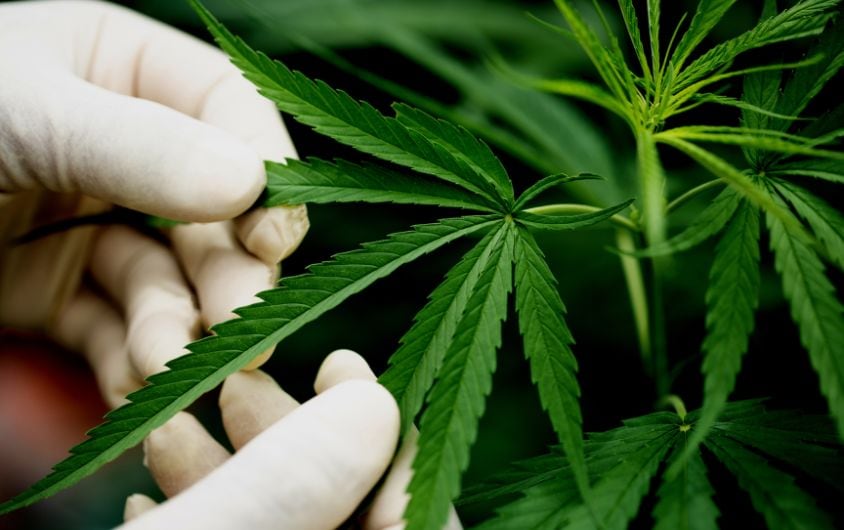
Many patients feel nervous when they hear the words “medical marijuana.” Even though it is used to treat real health conditions, the laws around it can feel confusing.
Some people worry about being stopped by police, losing their job, or facing legal trouble simply for following their doctor’s advice. These fears are common, especially for first-time patients who are trying to do the right thing.
A medical marijuana card exists to remove that fear. It gives patients clear legal protection and proof that their cannabis use is allowed under state law. When used correctly, this card helps patients feel safer, more confident, and more in control of their healthcare choices.
This article explains how a medical marijuana card protects patients legally, why that protection matters, and where the limits exist, all in clear and simple language.
What Is a Medical Marijuana Card?
A medical marijuana card is an official form of identification issued through a state-approved medical cannabis in California program. It confirms that a patient has permission to use marijuana for medical reasons based on a doctor’s evaluation.
Basic Definition
The card connects a patient with a licensed healthcare provider who believes medical marijuana may help manage a qualifying health condition.
Once approved, the patient is registered with the state and can legally purchase and use medical cannabis according to specific rules. This card acts as legal proof that the patient is part of the medical program.
Who Qualifies and Why Cards Exist
Patients qualify for a medical marijuana card when they have a condition recognized by the state, such as chronic pain, anxiety, PTSD, or other ongoing health concerns.
These cards exist to protect patients who depend on cannabis as part of their treatment plan. Without a card, even responsible use could be misunderstood as illegal activity, leading to fines or other legal issues.
How Medical Marijuana Laws Work in California
Medical marijuana laws are controlled at the state level. This means rules are different depending on where a patient lives, and understanding local laws is very important.
State-Approved Use Explained
In California, medical marijuana is legal for registered patients who follow state guidelines. Approved patients can purchase cannabis from licensed dispensaries and use it for medical purposes only. The state tracks patient registration to make sure cannabis is used safely and responsibly.
Why State Rules Matter for Patients
State rules exist to protect patients from local legal action. When patients follow the law, their medical marijuana card shows they are not breaking state rules. This protection is especially helpful during interactions with law enforcement, healthcare providers, and sometimes employers.
Legal Protections a Medical Marijuana Card Provides
A medical marijuana card offers several important legal benefits that help patients in daily life. These protections reduce stress and lower the risk of legal problems.
Protection From Criminal Charges
One of the biggest protections is against criminal charges related to possession. When a patient carries marijuana within the allowed amount, the card proves the cannabis is for medical use. This can prevent arrest or charges that might otherwise apply to unregistered individuals.
Protection During Police Interactions
If a patient is questioned by police, presenting a valid medical marijuana card can help clarify the situation quickly. Law enforcement officers can verify that the patient is legally registered and allowed to carry cannabis. This often helps avoid misunderstandings and unnecessary legal trouble.
Protection for Possession Limits
Medical marijuana programs set clear limits on how much cannabis a patient can have at one time. Staying within these limits is key. The card confirms that the amount carried is lawful and medically approved, which helps protect patients during inspections or routine checks.
Protection in Medical and Employment Situations
Legal protection does not stop with law enforcement. A medical marijuana card also plays a role in healthcare settings and certain work-related situations.
Doctor-Patient Relationship
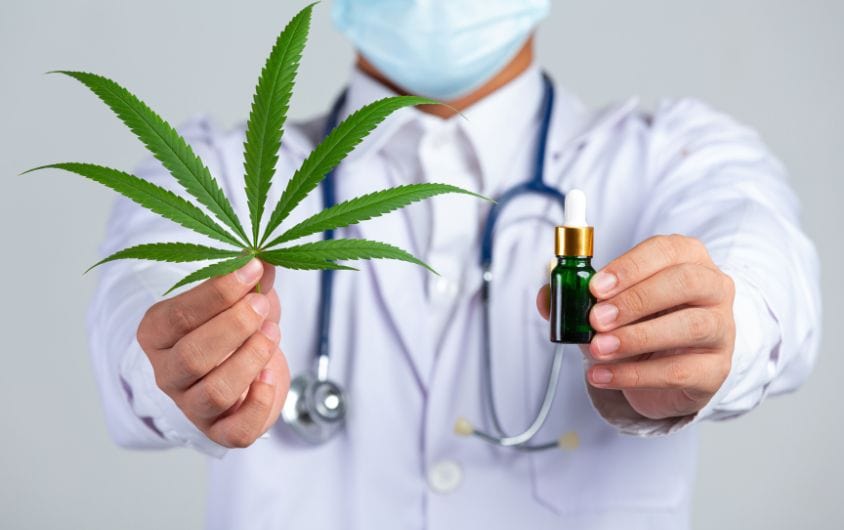
Medical marijuana use is documented as part of a patient’s treatment plan. This creates a clear doctor-patient relationship that protects both sides. Licensed medical marijuana doctors follow state guidelines and maintain records that support the legal use of cannabis for medical care.
Workplace Rights and Limits
Some employers recognize medical marijuana cards and allow use outside work hours. While companies still have the right to enforce workplace policies, the card helps explain that cannabis use is medical, not recreational. This can reduce confusion and help protect patients from unfair assumptions.
Why Medical Marijuana Doctors Matter
Doctors are central to the legal protection offered by a medical marijuana card. Without proper medical approval, the card has no legal standing.
Legal Certification and Documentation
Certified medical marijuana doctors evaluate patients, confirm qualifying conditions, and submit required documents to the state. This process creates a legal record that connects the patient to the medical program. These records are what give the card its legal power.
Preventing Misuse and Legal Trouble
Doctors also educate patients on proper use, dosage, and safety. This guidance helps patients avoid mistakes that could lead to legal problems. By following medical advice, patients stay within legal boundaries and protect themselves.
Real-Life Examples of Legal Protection
Seeing how legal protection works in real situations makes the benefits easier to understand.
Patient Traffic Stop Scenario
Imagine a patient is stopped for a minor traffic issue, like a broken light. If the officer notices cannabis and asks questions, the patient can show their medical marijuana card. If the amount carried is within legal limits, the situation may end without further action. The card explains why the cannabis is present and confirms lawful use.
Housing and Medical Use Example
Some patients worry about using medical marijuana in rental housing. While landlords can set rules, a valid card helps explain that cannabis use is part of a medical treatment plan. When used responsibly and according to local rules, the card can help prevent false claims of illegal activity.
What a Medical Marijuana Card Does Not Protect
While a medical marijuana card offers strong protection, it does have limits. Understanding these limits is important for staying safe.
Federal Law Limits
Medical marijuana cards do not protect patients under federal law. Cannabis remains illegal at the federal level. This mainly affects places like airports, federal buildings, and crossing state lines. Patients should avoid carrying cannabis in these situations.
Misuse and Illegal Sharing
The card does not allow patients to share, sell, or misuse cannabis. Using more than the allowed amount or giving marijuana to others can still lead to legal trouble. Following the rules closely is the best way to stay protected.
Conclusion
A medical marijuana card gives patients real legal protection and peace of mind. It helps prevent criminal charges, supports safe medical use, and provides proof that cannabis is part of a lawful treatment plan.
By understanding the rules, following doctor guidance, and respecting legal limits, patients can focus on their health instead of worrying about legal risks.
If you are thinking about medical cannabis and want trusted guidance, a Medical Marijuana Cards California can help you understand the process and stay protected while managing your health responsibly.