
Okay, so check this out—browser extension wallets are not dead. Wow! They actually solve a very real problem for people interacting with DeFi on desktop. My first impression was skepticism; extensions felt risky, clunky, and full of edge cases. But after living with them for a couple years, using different chains and a handful of apps, I changed my tune. Initially I thought desktop wallets were a nostalgia throwback, but then I noticed how much smoother onboarding could be when the UX and permissions are handled thoughtfully.
Whoa! Small details matter. Seriously? Yes. When a wallet extension nags you with vague prompts, you hesitate. When it surfaces clear origins and scoped permissions, you act faster. My instinct said: users want control, not confusion. Something felt off about many popular wallets—too many buttons, too many all-or-nothing choices. On one hand, simplicity feels safer to new users; on the other, oversimplifying can hide dangerous defaults, though actually, the sweet spot is clarity without clutter.
Here’s a concrete example. I once connected a wallet which asked for blanket access to all tokens. I clicked through without thinking, then realized later that a dApp could probe balances and launch approval flows without me fully understanding the consequences. That part bugs me. What saved me in later experiments was a wallet that split permissions—view only versus trade—and let me approve approvals per token. Okay, small victory… but it made me rethink how extensions should present risk.
Browser extension wallets are, at core, an ergonomics problem. They bridge the browser and the blockchain, which means latency, UI constraints, and a mass of confusing prompts. Hmm… the design question then becomes: how do you let people sign safely while keeping the flow friction low? From a developer’s seat I can tell you—the clearer the intent and the smaller the permission scope, the better the user outcomes. I learned that the hard way, through mistakes and a few panic-y moments.
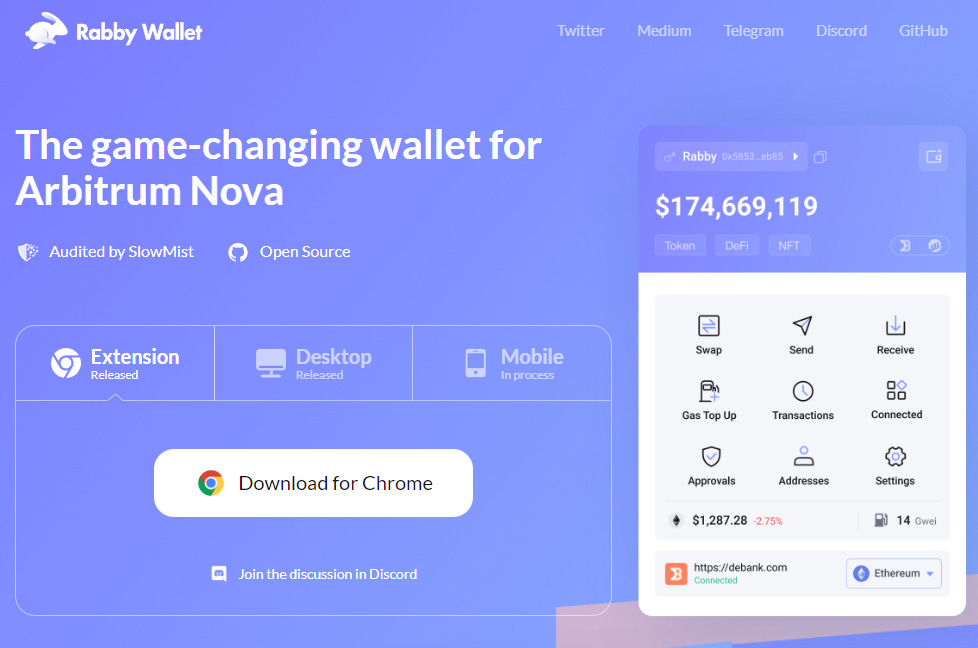
Now about Rabby—I’ve used the app and appreciated how it handles approvals and network switching in a more human-friendly way. I’m biased, but rabby does many of the small things right: granular approvals, session-based connections, and a clear transaction preview that highlights gas and the exact action. If you want to try it, you can download rabby rabby.
What makes a good extension wallet? Practical signals I watch for
Short answer: transparency and recoverability. Long answer: those are necessary but not sufficient. A wallet must show transaction intent in plain language, highlight who’s requesting what, and present any approvals with token and spender labels that non-technical users can actually trust. It should also offer a clear recovery path—seed phrases are fine, but there are better UX patterns for backing up keys. My preferred flow includes a seed phrase plus an optional device-bound recovery option, though adoption of the latter is slow.
Security stack matters. Multi-account management, per-site session controls, and hotkey-less confirmation are small design choices that add up. Seriously, removing accidental approvals is a big win. One trick I’ve seen work is session lifetimes: let dApps connect for a short window unless extended by the user. That reduces persistent exposure.
Performance is often overlooked. Extensions must be lightweight, because they live inside browsers. If the wallet hogs CPU or leaks memory, people blame the browser, but the root is the wallet. Initially I didn’t care much about resource use, but after my browser started lagging on heavy sites, I noticed that wallets with better background handling and fewer polling loops felt cleaner. On the other hand, too aggressive about sleeping and you lose timely notifications—it’s a balancing act.
Privacy practices are crucial. Some wallets try to centralize analytics. I get why they want to measure UX, but I’m protective about data. On one test wallet, I discovered telemetry pings that exposed chain usage patterns. Okay, that was a red flag. Wallets should minimize telemetry, anonymize what they collect, and tell you plainly what they send. If they don’t, think twice.
From a developer perspective, extension APIs are a mess across browsers and versions. Cross-browser compatibility is non-trivial, and that affects update cadence. I remember shipping a fix that worked fine in Chrome but broke in a Firefox build. Ugh. The ecosystem is improving, but compatibility still leaks into user experience, and that’s why good extensions maintain fast CI and thorough testing across environments.
One of the things that surprised me was how much trust comes from small UI cues. A branded popup that shows the dApp origin, the exact contract address, and a human-readable action reduces hesitation. Humans are pattern-matchers. When the dialog is consistent and predictable, people approve faster. When it’s inconsistent, they pause—and pauses reduce conversion but increase safety, so it’s not wholly bad.
Okay, so what should you watch for when choosing an extension wallet? Number one: transaction clarity. Number two: permissions granularity. Number three: session management. Number four: minimal and transparent telemetry. Also, good dev tools and clear documentation don’t hurt—if you ever debug or import accounts, those resources save time. I learned all these while swapping accounts across devices and trying to reproduce user bugs—very very educational, honestly.
Common pitfalls—and how to avoid them
Phishing is the obvious danger. Extensions can be spoofed or malicious sites can trigger approvals that look lonely but do something nasty. My rule: never approve token approvals you don’t explicitly understand. A token allowance approving an infinite spend is an invite to trouble. Use wallets that let you set exact allowances and that warn you about large, unlimited approvals.
Gas surprises are another trap. Some wallets make gas estimation opaque, burying the fee in tiny text. That’s a UX anti-pattern. Good wallets surface the expected gas cost and have sensible presets, but also explain why the fee varies. When networks spike, a wallet that automatically inflates gas without clear notice will make users angry. On the flip side, showing too much jargon isn’t helpful either. Balance, again.
Chains and RPCs—a messy landscape. Many users default to public nodes which are sometimes rate-limited or unreliable. Wallets that let you add or choose node providers, and explain the tradeoffs (speed vs. privacy vs. centralization), give users agency. I admit I’m not 100% sure which public RPC is best for every region, but I’ve noticed regional differences in response times—NYC users often have faster hops to major cloud providers, for example.
Recovery and backups: this deserves a paragraph by itself. Seed phrase only is risky in modern threat models. Hardware-backed keys are better, but they add friction. Social recovery and multi-device backups are promising. I’m optimistic about smart contract-based recovery options, though they add another layer of complexity and attack surface. Still, when designing for real people you must make recovery feel achievable, not like a legal contract.
FAQ
Is a browser extension wallet safe for large balances?
Short answer: not ideal. Use hardware wallets for high-value storage. Medium answer: extensions are excellent for everyday DeFi interactions and smaller balances, but for long-term storage or large sums, pair the extension with a hardware signer or move assets to cold storage when not actively used.
How does Rabby differ from other extension wallets?
Rabby emphasizes granular permissions, clearer transaction details, and session controls that reduce long-lived exposure. My practical experience with it showed fewer accidental approvals and clearer UX for multi-chain use. I’m biased, but those are the things I value most in daily DeFi work.
What should a new DeFi user do first?
Start small. Practice with testnets. Use a dedicated browser profile for crypto activities. Keep a hardware wallet for savings and an extension for active trades. Back up keys in multiple secure places and avoid copying your seed phrase into cloud notes. Sounds obvious, I know—but people slip up when they move fast.